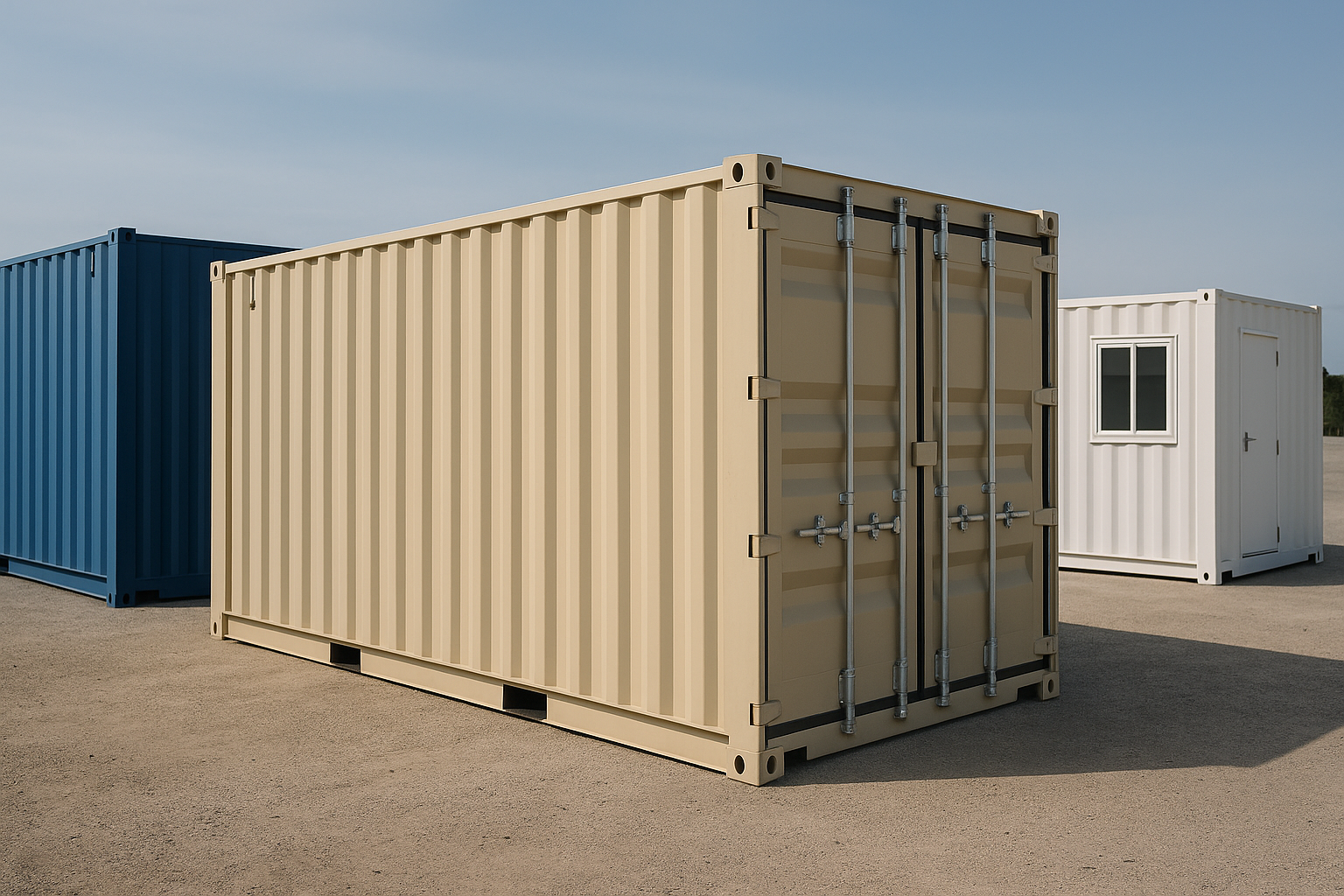
In a world where flexibility and long-term value matter more than ever, rent to own containers have emerged as a strategic and affordable solution for individuals and businesses alike. Whether you’re dealing with a lack of space, launching a construction project, starting a mobile business, or simply looking for a flexible storage option, this hybrid model of acquisition gives you the best of both worlds.
This article explores the advantages of rent-to-own containers, the most common use cases, the types of containers available, the typical process involved, and how to find a reliable provider near you.
Why Choose a Rent to Own Container?
1. Flexibility Without Commitment
One of the main appeals of renting to own a container is the ability to start using a container immediately without the burden of a large upfront cost. You pay affordable monthly installments while having full access to the unit—and eventually, it becomes yours.
2. Affordable Ownership
Instead of paying thousands of dollars upfront, rent-to-own plans spread the cost over time. This makes ownership accessible to small businesses, homeowners, farmers, and non-profits that may not have immediate capital available.
3. No Credit Checks or Loans
Most providers offer rent-to-own plans without lengthy credit checks or financial approvals. This opens the door to clients who want to avoid loans, debt, or paperwork typically associated with traditional financing.
4. Tax Advantages
In many jurisdictions, rent-to-own payments may be deductible as operating expenses during the rental period. Once the container is fully owned, it can also be depreciated as a business asset.
Use Cases: Who Needs Rent to Own Containers?
Rent-to-own containers are used across a wide range of industries and lifestyles. Here are some popular examples:
- Homeowners: For garage overflow, seasonal tools, or moving prep.
- Contractors: On-site secure storage for equipment and materials.
- Retailers: Extra storage for stock, particularly during high seasons.
- Farms and Ranches: Feed, seed, and equipment storage in remote areas.
- Non-profits & Schools: Affordable storage with budget-friendly terms.
- Mobile Businesses: Containers converted into pop-up shops or kiosks.
- Disaster Recovery: Temporary on-site storage during rebuilding.
Types of Containers Available
Most rent-to-own programs offer the same rugged, reliable containers used in shipping and logistics. Common sizes and types include:
📦 Standard Shipping Containers
- 20-foot and 40-foot lengths
- Ideal for general storage, personal items, and business use
🔐 High-Cube Containers
- Extra height for bulkier items (9.5 ft vs. 8.5 ft)
- Popular among retailers and equipment users
🏗️ Modified Containers
- Containers with doors, windows, electrical outlets
- Suitable for offices, mobile stores, and custom builds
❄️ Refrigerated Containers (Reefers)
- Climate-controlled units for perishable goods or medical supplies
The Process: How Does Rent to Own Work?
Most rent-to-own container programs follow a simple and transparent process:
- Choose Your Container
Select the size and type that matches your needs. Standard 20’ and 40’ options are usually available. - Select Your Term
Most companies offer flexible rental periods: 12, 24, 36, or even 60 months. - Pay Monthly
Make a consistent monthly payment, usually including delivery and maintenance options. - Own It
At the end of the contract, the container becomes fully yours—no extra payment required. - Early Buyout
Many providers allow early purchase if you want to save on future payments.
What’s the Cost of Rent to Own Containers?
Prices vary based on:
- Container size and type
- New vs. used condition
- Modifications (windows, doors, insulation)
- Rental term length
- Delivery location
On average:
- 20-foot used container: $100–$150/month
- 40-foot high-cube container: $150–$250/month
- Modified containers can exceed $300/month
Always request a personalized quote and compare with standard rentals or outright purchase.
Pros and Cons Summary
| Advantages | Disadvantages |
|---|---|
| Affordable monthly payments | Slightly higher total cost than upfront purchase |
| Immediate access without large capital | May require delivery/pickup fees |
| Flexible terms (12 to 60 months) | Limited providers in some rural areas |
| Ownership at the end of the term | May incur late fees if not paid on time |
How to Find Rent to Own Container Providers Near You
To locate a reputable provider:
- Search for “rent to own containers near me” on Google or maps
- Check if local dumpster or container rental companies offer RTO plans
- Look for businesses that provide delivery, maintenance, and buyout options
- Read reviews and check BBB accreditation
- Ask about warranties and used container conditions
Companies like SMAG Express, Mobile Modular, or Conexwest often provide these services in major Canadian and U.S. cities.
Frequently Asked Questions (FAQ)
1. Is rent-to-own better than buying outright?
It depends on your budget. If you don’t have enough to buy upfront but want long-term ownership, rent-to-own is a great option.
2. Do I need a credit check?
Most providers do not require credit checks, making the process accessible and hassle-free.
3. What happens if I miss a payment?
Late fees may apply. If payments are missed repeatedly, the provider may reclaim the container.
4. Can I modify the container during the rental?
Yes, but always confirm with the provider. Some may require approval before cutting or altering the container.
5. Are used containers safe and secure?
Yes. Even used containers are built to be wind- and water-tight, with locking systems for security.
6. Can I upgrade my container during the rental?
Some providers allow upgrades—especially if your needs change (e.g., more space or insulation).
7. Is delivery included in the rental price?
Sometimes. Always ask whether delivery, pickup, and setup are part of the monthly fee or billed separately.
Final Thoughts
Choosing a rent to own container solution is a smart move for anyone who needs reliable, secure, and affordable space without locking up large amounts of capital. Whether you’re a homeowner looking for storage, a business owner planning expansion, or a contractor working on-site, rent-to-own gives you time, flexibility, and ownership—all in one box.
When comparing options, make sure to ask about:
- The total cost over the contract
- Early buyout opportunities
- Container condition and delivery details
- Support and warranty from the provider
The right container isn’t just a storage unit—it’s an investment in convenience, efficiency, and long-term value.
